Tibetan Buddhism
The esoteric
teachings of Tibetan Buddhism became much more widely available to spiritual
seekers throughout the world following the invasion of Tibet by China
in 1959. These teachings include the three major vehicles of Buddhism:
the 'hinayana,' 'mahayana' and 'vajrayana' or tantric transmission of
direct enlightenment. Many of the books written by Tibetan teachers and
their Western students convey the essence of Tibetan Buddhism in terms
comprehensible to a Western reader.
Meditation
in Action
Chögyam Trungpa
Shambhala (1969)
Chögyam
Trungpa was an influential Tibetan teacher who established meditation
centres in the West, including Naropa Institute in Boulder, Colorado.
This book is considered a classic, presenting the essential aspects of
meditation in a very clear and direct manner.
Cutting Through
Spiritual Materialism
Chögyam Trungpa
Shambhala (1973)
Based on two series of lectures, the book contrasts a true spiritual path with distorted versions of spirituality. The term "spiritual materialism" refers to how we can deceive ourselves into thinking we are developing spiritually when instead we are strengthening our egocentricity through the misuse of spiritual techniques.
The Myth of
Freedom
Chögyam Trungpa
Shambhala (1976)
This companion volume to Cutting Through Spiritual Materialism explores the meaning of freedom in the context of Tibetan Buddhism. Trungpa shows how our attitudes, preconceptions and even spiritual practices can become chains that bind us to repetitive patterns of thinking, feeling and acting.
Gesture of
Balance
Tarthang Tulku
Dharma Publishing (1977)
Tarthang Tulku is an accomplished Tibetan lama of the Nyingma tradition. As a result of his encounter with Western culture he has developed methods for unfolding human potential that are based on traditional Tibetan Buddhist teachings but expressed in ways appropriate to a Western audience.
Openness Mind
Tarthang Tulku
Dharma Publishing (1978)
This volume presents the practice of meditation in easily accessible terms. Tarthang Tulku shows that the insights gained through meditation are applicable to all of life as we come to understand the nature of our minds, thoughts and feelings.
The Path of
Victory
Namgyal Rinpoche
The Open Path (1980)
Namgyal Rinpoche was a Canadian teacher of Buddhism who studied extensively throughout the East and was recognized as a teacher by senior Tibetan lamas. The Path of Victory is a series of insightful discourses on the paramitas - the qualities that when developed lead to enlightenment.
Hidden Mind
of Freedom
Tarthang Tulku
Dharma Publishing (1981)
In these talks, Tarthang Tulku explores the nature of mind and its hidden resources which can allow us to respond more creatively to whatever life presents. Through meditation and self-observation we can remove barriers to self-understanding and activate the healing qualities latent within the mind.
Knowledge
of Freedom
Tarthang Tulku
Dharma Publishing (1984)
This innovative and thoughtful book offers a new vision of human freedom and fulfillment. We are encouraged to embark on a journey into ourselves, activating the limitless capacity we have for knowledge and love.
Shambhala:
The Sacred Path of the Warrior
Chögyam Trungpa
Shambhala (1988)
In this practical guide to enlightened living, Chögyam Trungpa offers an inspiring path for our time, based on the figure of the sacred warrior. By interpreting the warrior's journey in modern terms, Trungpa presents a spiritual discipline for those in search of self-mastery and greater fulfillment.
The Wisdom
of No Escape
Pema Chödrön
Shambhala (1991)
Pema Chödrön is an American Buddhist teacher and long-time student of Chögyam Trungpa. With humour and insight she provides down-to-earth guidance in cultivating basic sanity and accepting and befriending ourselves.
Start Where
You Are
Pema Chödrön
Shambhala (1994)
Through the practice of meditation, we can develop the courage to work with our own inner pain and discover joy, well-being and confidence. Working within a framework of traditional Tibetan Buddhist sayings, Chödrön offers guidance in cultivating fearlessness and awakening a compassionate heart.
Awakening
the Buddha Within
Lama Surya Das
Broadway Books (1997)
Lama Surya Das is an American teacher who studied under many respected Tibetan lamas and now gives lectures and leads retreats worldwide. In this book he introduces the traditional Buddhist path to enlightenment through stories, meditations and spiritual exercises.

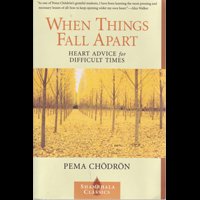
When Things
Fall Apart
Pema Chödrön
Shambhala (1997)
Drawing from traditional Buddhist wisdom, Pema Chödrön presents a radical approach to dealing with the suffering in our lives. Rather than trying to escape from our problems, we are encouraged to explore painful emotions and negative habit patterns with compassion and courage.
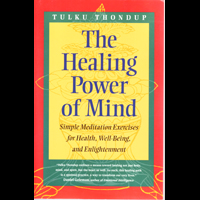
The Healing
Power of Mind
Tulku Thondup
Shambhala (1998)
Tulku Thondup outlines an approach towards healing the body, mind, heart and spirit through simple meditation exercises. By distilling traditional Buddhist teachings on healing, he provides a mind/body medicine approach that illuminates the true nature of mind and the roots of suffering.
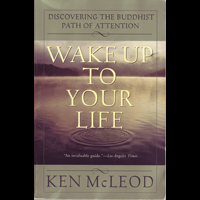
Wake Up to
Your Life
Ken McLeod
HarperCollins (2001)
Ken McLeod is an innovative and respected teacher in the Tibetan Buddhist tradition who has trained for years with renowned Tibetan masters. This volume is a detailed handbook on meditation practice and our natural capacity for full awareness and presence in the here and now.
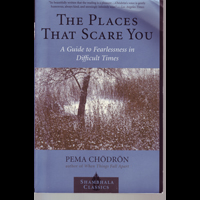
The Places
That Scare You
Pema Chödrön
Shambhala (2001)
Pema Chödrön presents practical tools for dealing with the problems and difficulties of life. By awakening our basic goodness and capacity for awareness we can learn to stay in the present moment by seeing through the strategies of ego that cause us to resist life as it is.
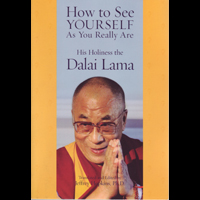
How to See
Yourself As You Really Are
Dalai Lama
Atria Books (2006)
His Holiness The Dalai Lama teaches that we each possess the ability to achieve happiness and a meaningful life through self-knowledge. Through personal accounts of his own life and step-by-step exercises, he shows how we can attain true altruistic enlightenment.
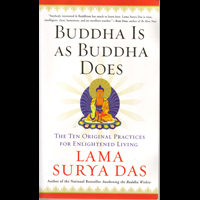
Buddha Is
As Buddha Does
Lama Surya Das
HarperCollins (2007)
Through the use of teaching stories, personal anecdotes, thoughtful quotations and spiritual exercises, Lama Surya Das points to the immense potential of a life rooted in wisdom and compassion. The book is appropriate for new seekers as well as experienced practitioners.
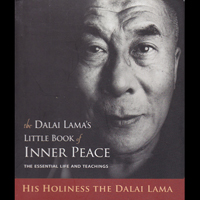
The Dalai
Lama’s Little Book of Inner Peace
Dalai Lama
Hampton Roads Publishing (2009)
In this volume H.H. The Dalai Lama offers powerful, profound guidance on how to live a peaceful and fulfilling life amidst the challenges and turmoil of the contemporary world. Much of the book is based on his own experiences from early childhood to the present day.
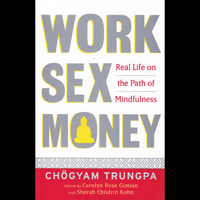
Work, Sex,
Money
Chögyam Trungpa
Shambhala (2011)
The realms of work, sex and money are integral to human existence, yet they are rarely examined from a spiritual perspective. By revealing their inherent sacredness, Trungpa shows how spiritual practice can be integrated with all aspects of life.
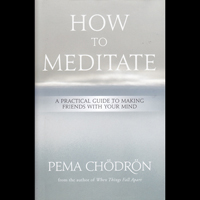
How to Meditate
Pema Chödrön
Sounds True (2013)
American-born Tibetan Buddhist teacher Pema Chödrön is noted for her unique ability to clearly transmit profound Buddhist teachings and practices to Western audiences. In the book she explores the basics of meditation, from posture and breathing to overcoming difficulties and cultivating an attitude of openness and unconditioned compassion.
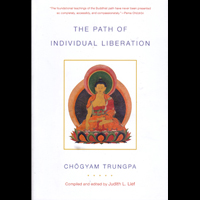
The Path of
Individual Liberation
Chögyam Trungpa
Shambhala (2013)
The initial volume of Tibetan Buddhist teacher Chögyam Trungpa’s trilogy The Profound Treasure of the Ocean of Dharma presents the foundational teachings of the Hinayana path of Buddhism. The text, compiled and edited by longtime student Judith Lief, is based on seminars and mediation retreats conducted by Trungpa and discusses in detail the four noble truths, karma, the four foundations of mindfulness, and other basic teachings of the Hinayana path.
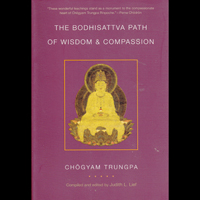
The Bodhisattva
Path of Wisdom and Compassion
Chögyam Trungpa
Shambhala (2014)
The second volume of Trungpa’s remarkable trilogy examines the Mahayana path to enlightenment as it builds on the foundation of the Hinayana teaching. The emphasis is on shunyata or emptiness, skilful action in life and the bodhisattva ideal of love, compassion and service to humanity.
The Tantric
Path of Indestructible Wakefulness
Chögyam Trungpa
Shambhala (2014)
The Vajrayana path or ‘diamond vehicle’ is the focus of the third volume of Chögyam Trungpa’s comprehensive presentation of the essential teachings of Tibetan Buddhism. The focus is on the nature of the teacher-student relationship, empowerment, tantric practices and advanced visualization exercises.